A buyer’s inspection may uncover ordinary maintenance, a major system concern, or a long list that feels more serious because it arrives after the property is under contract.
That uncertainty leads many homeowners to consider a pre-listing inspection. For sellers in Huntersville, Cornelius, Davidson, and the greater Lake Norman area, an inspection before the home reaches the market can create time to investigate and plan. It can also create new disclosure responsibilities. The right decision depends on the property, the seller’s priorities, and how the results will be used.
What a pre-listing inspection does
A pre-listing inspection is ordered by the owner before or during listing preparation. A North Carolina licensed home inspector visually evaluates the systems and components included within the agreed scope and provides a written report.
It is a snapshot of visible conditions on that date, not a warranty or guarantee that another inspector will reach the same conclusions. The North Carolina Real Estate Commission’s inspection guidance explains that a general inspection is visual rather than technically exhaustive and may lead to specialized evaluation.
Buyers should still hire their own inspector. The Commission specifically advises buyer clients to consider an independent inspection even when a seller provides an existing report.
Why some sellers inspect before listing
The main benefit is time. Discovering a concern before photography, showings, and contract deadlines gives the seller room to obtain additional opinions, compare repair proposals, and decide how the issue fits into the pricing and marketing strategy.
A pre-listing inspection may help a seller:
- identify safety or function concerns before a buyer does;
- separate simple maintenance from work requiring a licensed specialist;
- complete selected repairs without due-diligence pressure;
- collect invoices, warranties, permits, and service records;
- prepare clear answers about the home’s systems; and
- reduce surprises that could disrupt negotiations or closing.
This can be useful for an older home, a property with deferred maintenance, a home returning after a failed contract, or a luxury property with multiple specialty systems. A targeted inspection may also make sense when the owner suspects an issue involving the roof, crawlspace, structure, HVAC, pool, dock, septic system, well, or drainage.
Understand the disclosure tradeoff first
An inspection can reveal information the seller did not previously know. That knowledge cannot simply be ignored if the seller decides not to make a repair.
Most North Carolina sellers of one-to-four-unit residential property must provide the Residential Property and Owners’ Association Disclosure Statement and the Mineral and Oil and Gas Rights Mandatory Disclosure Statement before an offer, subject to limited exceptions. The North Carolina Real Estate Commission explains the forms and timing in its seller disclosure guidance.
The Commission also notes that a broker must disclose known material facts. If an inspection identifies a significant defect that is not corrected, the listing agent may have an affirmative disclosure obligation, and the seller may need to update prior answers. Knowingly withholding a material hidden defect can expose a seller to legal consequences. Sellers should discuss specific legal questions with a North Carolina attorney.
For that reason, decide on the inspection strategy with the listing agent before ordering the report. The goal is informed preparation, not a document that no one has planned how to evaluate or address.
When a full inspection may not be the best first step
When sellers already know which systems need attention, focused evaluations by the appropriate licensed professionals may be more useful than a broad inspection.
For example, a roofer can estimate remaining service life and repair options, an HVAC contractor can service and document equipment, and a structural engineer can evaluate a specific movement concern. Waterfront and luxury homes may also call for separate reviews of docks, shoreline structures, generators, elevators, pools, stucco, irrigation, water treatment, wells, or septic systems because those items may fall outside a standard inspection or require specialized expertise.
A seller on a short timeline may prioritize maintenance, servicing, records, disclosures, and market positioning. The decision should reflect the home’s age, condition, complexity, and likely buyer questions.
If you inspect, use a disciplined process
Start by selecting a North Carolina licensed inspector and confirming the scope in writing. The state’s Home Inspector Licensure Board oversees licensing and standards. Make the attic, crawlspace, electrical panels, mechanical equipment, garages, and other relevant areas safely accessible so the report is as complete as the conditions allow.
Sort findings into safety, active defects, maintenance, and optional improvements. Obtain specialist opinions when recommended, then choose repairs based on function, marketability, cost, and the risk of leaving the item unresolved.
Use qualified contractors, secure permits when required, and retain paid invoices, warranties, photos, and final approvals. A reinspection or written completion statement can help document significant work. Avoid describing a repaired item as “perfect” or “fully resolved” unless a qualified professional can support that claim.
Consider tests that are not part of every inspection
Radon is a separate consideration. The North Carolina Radon Program recommends testing every type of home and advises using a certified professional or an evaluated testing device. EPA guidance says addressing an elevated result before marketing can provide more time to plan mitigation.
For most housing built before 1978, federal rules require disclosure of known lead-based paint information and available records. The EPA’s lead-based paint disclosure guidance explains the seller and agent requirements. Other property-specific testing may also be appropriate.
Make the inspection serve the listing strategy
A pre-listing inspection is most valuable when the seller is prepared to act on what it finds. It should support a larger plan for repairs, documentation, pricing, disclosures, photography, and negotiations. For some homes, that creates a cleaner path to market. For others, targeted evaluations and strong records are the better use of time and money.
If you are preparing to sell in Huntersville, Cornelius, Davidson, or elsewhere around Lake Norman and Charlotte, contact Austin Quick to build a property-specific preparation plan and decide whether a pre-listing inspection belongs in the strategy.
Sources and links reviewed November 6, 2026. Inspection scope, disclosure duties, repairs, permits, and testing needs vary by property and transaction. This article is general real estate information and is not legal, engineering, environmental, or inspection advice.
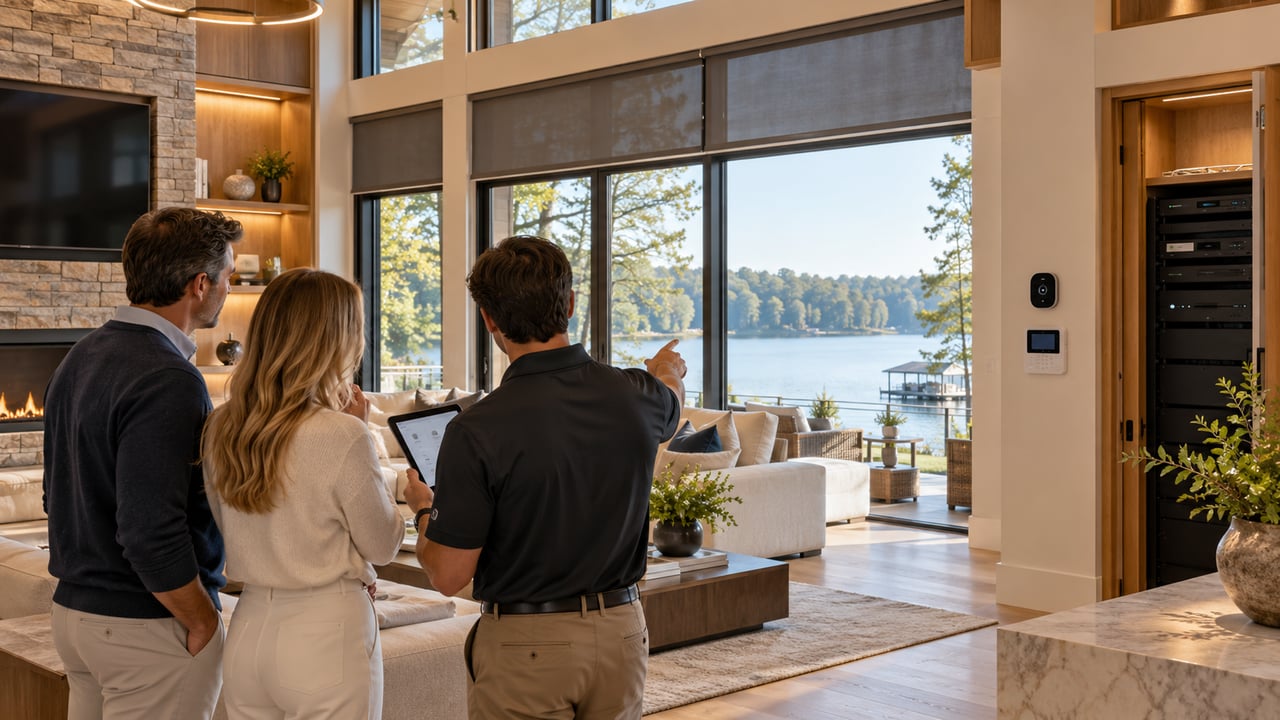
Header image: Conceptual AI-generated editorial imagery. It does not depict an actual property, listing, seller, client, home inspector, inspection, or Lake Norman residence.