Buying or selling on Lake Norman and unsure what you can do with a dock or shoreline? You are not alone. Waterfront rules can feel confusing when multiple agencies are involved and timelines affect your closing. In this guide, you will learn who regulates Lake Norman’s shoreline in Mooresville, how permitting works, realistic timelines, and the exact documents to verify before you write or accept an offer. Let’s dive in.
Who regulates Lake Norman shoreline
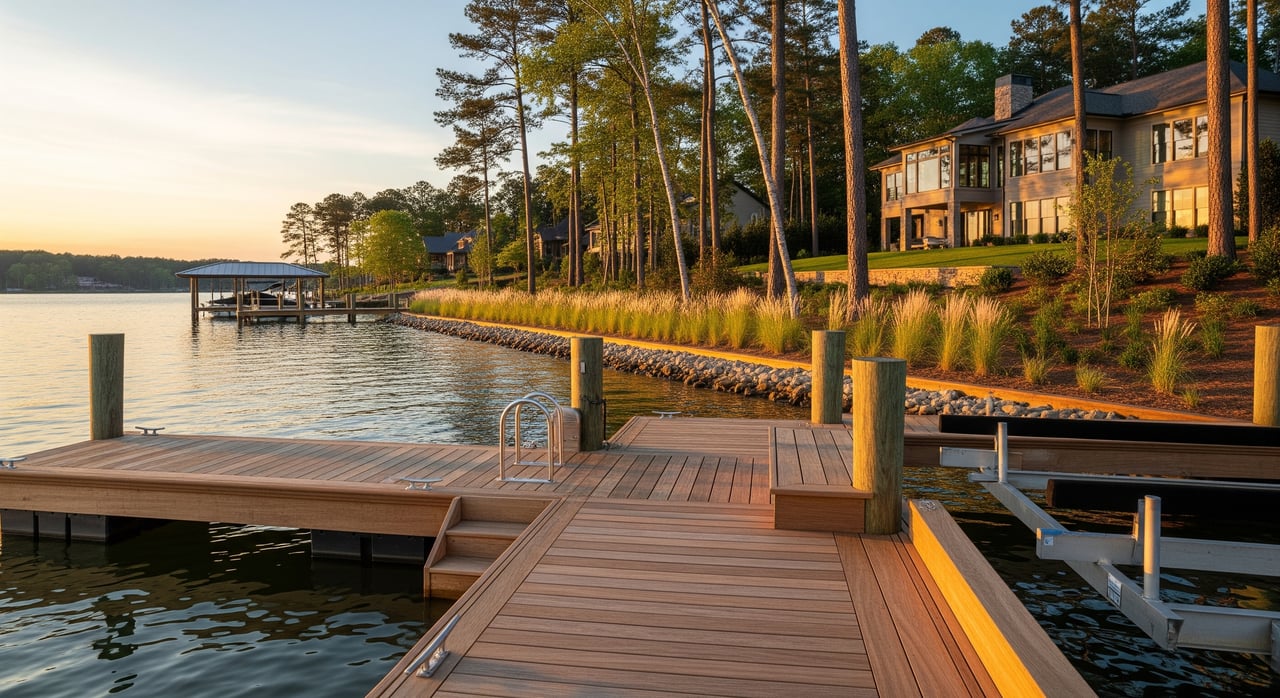
Lake Norman sits on Duke Energy’s reservoir system, and the rules start there. Duke Energy manages the lakebed and shoreline activity through its Shoreline Management Program, called the SMP. If a structure touches the lakebed or extends over the water, you should assume the SMP applies.
- Duke Energy. The SMP is the primary authority for docks, piers, boathouses, and shoreline structures that occupy the lakebed. Most projects require Duke review and a license before work begins. You can review requirements on the Duke Energy Shoreline Management Program pages.
- U.S. Army Corps of Engineers. Some projects that affect navigation or wetlands may need federal authorization under Section 10 or Section 404. Start with the Regulatory Program and Permits.
- North Carolina DEQ. State permits can apply to wetlands, stormwater, and riparian buffers, along with wastewater and septic issues. See the NC DEQ Division of Water Resources.
- Local government. Town of Mooresville and Iredell County enforce zoning, building permits, setbacks, floodplain rules, and inspections. Check the Town of Mooresville and Iredell County sites for local requirements.
- N.C. Wildlife. For boat operation and safety rules, consult the N.C. Wildlife Resources Commission. This affects how you use the waterfront even if it is not a dock permit.
- HOAs and covenants. Many neighborhoods add more restrictive dock standards. HOA rules do not replace Duke or government permits, but they can limit what you build.
Bottom line: most dock projects on Lake Norman need at least Duke SMP approval and a local building permit. Federal and state reviews apply when wetlands, buffers, or navigation areas are involved.
How dock permitting works
You will avoid delays if you start with a quick pre-check. Here is the typical workflow.
Pre-application steps
- Confirm shoreline classification with Duke’s SMP for the parcel. This tells you if new structures are allowed, limited, or prohibited.
- Speak with Duke Energy Shoreline Management about allowable designs and application materials for Lake Norman.
- Contact the Town of Mooresville or Iredell County to confirm local permits, setbacks, floodplain rules, and inspections.
- Review HOA covenants, recorded easements, shared-dock agreements, and any utility easements along the shore.
Common application materials
- Site plan or survey showing property lines, normal pool elevation, proposed dock footprint, water depths, and distances to neighbors.
- Construction drawings with dimensions, materials, and anchoring details.
- Proof of property ownership and any recorded easements or agreements.
- Environmental information if wetlands or buffer areas may be affected.
Review sequence
- Duke SMP review and site verification of shoreline classification.
- Local building and zoning review for setbacks, floodplain, and structural permits.
- U.S. Army Corps and NC DEQ review if wetlands, buffers, or navigation are involved. Many standard docks fit a Nationwide Permit, but you still need confirmation.
- HOA review where applicable.
Approvals and inspections
- If approved, you receive a license or permit with conditions. Local departments may issue permit stickers and require inspections after construction.
- Structures often need an identification marker and must follow navigation-safety marking rules.
After construction
- Licenses often include maintenance duties, renewal steps, and rules for repair or removal if damaged. If you sell, confirm whether the license is transferable and what you need to record.
Timelines you can expect
Timeline depends on scope, documentation, and whether federal or state permits apply.
- Simple repairs or like-for-like replacements. Often a few weeks to a few months, depending on documentation and weather.
- New docks or major changes. Commonly 4 to 12 or more weeks for combined Duke and local review. If USACE or DEQ permits are needed, plan for several months.
- Complex projects. Boathouses, larger covered slips, shoreline armoring, or anything needing variances can take many months and may include neighbor input or public notice.
Factors that slow progress include missing surveys, wetland impacts, HOA disputes, variance requests, high agency workload, and seasonal slowdowns. Build these into your closing timeline.
Key limits and conditions to know
Rules vary by site and classification, but most approvals include these practical limits.
- Allowed vs restricted areas. Duke’s SMP assigns shoreline classifications that control whether permanent structures are allowed or limited.
- Size and spacing. Permits usually cap total length and width, limit the number of slips, and set minimum distances from property lines, channels, and neighboring docks.
- No living units. Habitable space on docks is typically prohibited.
- Marking and lighting. Expect a visible permit ID and compliance with navigation lighting and safety rules.
- Insurance and liability. Licenses often place maintenance and liability on the owner, and some require proof of insurance.
- Repair vs replacement. Like-for-like repairs may be simpler. Full replacement or enlargements usually require full review.
- Damage and reconstruction. If a dock is destroyed, rules outline when it can be rebuilt in the same footprint, when new review is required, and time limits for action.
Buyer due diligence checklist
Getting this right protects your use of the property and your resale value. Ask for and verify the following before you close.
Documents to request
- Duke Energy shoreline license or permit, including any recorded license or easement.
- Local building permits, inspection reports, and plan sets for dock and shoreline work.
- HOA covenants and any written HOA approvals tied to the dock.
- A current or recent survey showing the dock location and the normal pool line.
- Records of disputes, violations, enforcement actions, or notices.
- Proof of insurance claims and repairs after storm or fire damage.
Questions to ask
- Is the dock licensed by Duke Energy and is the license current or transferable? Is it recorded?
- Is the dock compliant with current SMP and local rules, or is it grandfathered? What are the limits if it is destroyed?
- Were any permits issued by the U.S. Army Corps or NC DEQ? Are there buffers or wetlands on site?
- Are there shared-dock agreements or access easements, and who pays for maintenance?
- Has the dock been modified since the original permit? Did it pass inspections?
- Has the town or county required floodplain certifications or structural upgrades?
- Are there planned SMP classification or zoning changes that could affect future work?
Action items for buyers
- Verify permits and license transfer with Duke Energy Shoreline Management.
- Order a survey that depicts the dock and normal pool elevation.
- Confirm local permit history and any open issues with the Town of Mooresville or Iredell County.
- Get written HOA clarification on rights and responsibilities.
- Hire a dock contractor to inspect structure and estimate repair or replacement costs if needed.
- Confirm riparian rights and any shared-access terms.
Seller prep that builds confidence
You will make your listing stronger and reduce risk if you gather documentation early.
- Assemble copies of Duke licenses, local permits, inspections, surveys, and HOA approvals.
- If the dock lacks a permit, discuss options with Duke and the town or county before you accept an offer. Full disclosure is essential.
- Consider a pre-listing dock inspection and address safety items. Buyers expect clear title to the dock or clear disclosure of any limits.
Mooresville contacts and resources
Use these official sources to confirm the latest rules and forms before you start work.
- Duke Energy Shoreline Management Program for Lake Norman. Start with the Shoreline Management Program to confirm shoreline classification, license steps, and lakebed policies.
- Town of Mooresville. Building permits, zoning, and floodplain questions for properties inside town limits are on the Town of Mooresville site.
- Iredell County. For unincorporated properties, see Iredell County Planning and Inspections.
- U.S. Army Corps of Engineers. Federal wetland and navigation permits are explained under Regulatory Program and Permits.
- NC DEQ Division of Water Resources. State permits for wetlands, buffers, and stormwater are listed at NC DEQ.
- N.C. Wildlife Resources Commission. Boat operation and safety rules are on the N.C. Wildlife Resources Commission site.
How this impacts your closing
Shoreline licensing and permitting are not paperwork for later. They determine what you can build, rebuild, or replace, and they affect insurability and value. For buyers, clean documentation and a transferable license protect your investment. For sellers, complete records and clear answers keep negotiations smooth and help you avoid concessions.
If you want a clear plan for your timeline, permits, and deal-ready documentation, connect with a local expert who handles Lake Norman transactions every day. Schedule a quick conversation with Austin Quick to map out your next steps.
FAQs
Who is the primary dock authority on Lake Norman?
- Duke Energy’s Shoreline Management Program is the primary authority for docks and structures that occupy the lakebed, and most projects require a Duke license plus local permits.
Do I need both Duke and local permits in Mooresville?
- Yes, most projects need Duke SMP approval and Town of Mooresville or Iredell County permits for zoning, setbacks, floodplain, and building inspections.
When do federal or state permits apply to a dock?
- If your project affects wetlands, riparian buffers, or navigation channels, you may need U.S. Army Corps and NC DEQ authorization in addition to Duke and local approvals.
How long do new dock approvals take?
- Standard new docks commonly take 4 to 12 or more weeks, and projects that involve wetlands or variances can extend several months.
What if a dock is grandfathered?
- Grandfathered status may allow current use but limit replacement or expansion after damage; verify reconstructability rules with Duke and local officials before you close.
What documents should a buyer review before closing?
- Ask for the Duke license, local permits and inspections, a current survey, HOA approvals, any USACE or DEQ permits, and records of repairs, disputes, or violations.