Dreaming about a place where weekends feel bigger, the water is close, and Charlotte is still within easy reach? A second home on Lake Norman can absolutely deliver that lifestyle, but only if it fits how you really plan to use it. Before you buy, it helps to look past the view and think through travel time, upkeep, ownership costs, and the kind of property that matches your routine. Let’s dive in.
Why Lake Norman Appeals
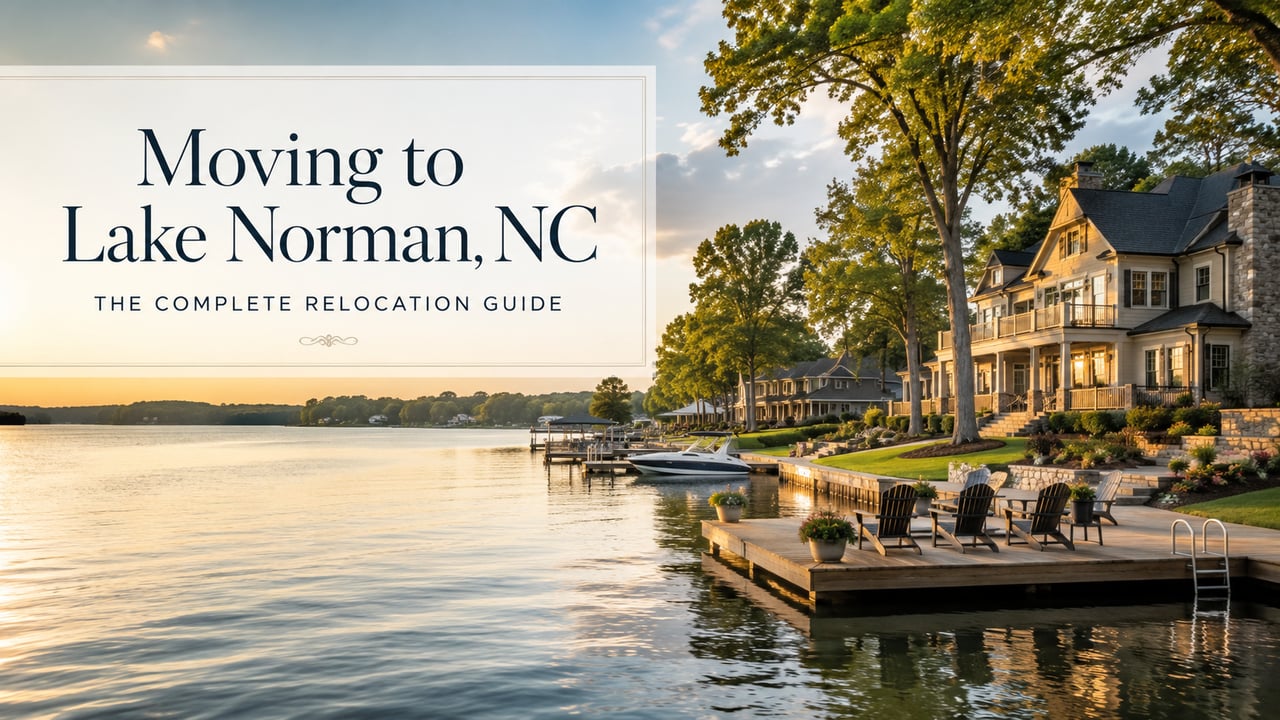
Lake Norman gives you scale and convenience in one package. According to Catawba County, it is North Carolina’s largest man-made lake, covering 32,510 acres with 520 miles of shoreline. The county also notes that Charlotte-Douglas International Airport is less than an hour away, which matters if you plan to use the home often or travel in from out of town.
That access is a big reason second-home buyers keep Lake Norman on their radar. Visit Lake Norman describes the area as a quick trip about 20 miles north of Charlotte, which can make spontaneous weekends and shorter stays more realistic. If your second home is easy to reach, you are more likely to actually enjoy it.
More Than a Boating Destination
Lake Norman is known for life on the water, but that is only part of the story. Visit Lake Norman and NC State Parks both highlight a broader mix of activities, including boating, fishing, hiking, biking, paddling, swimming, picnicking, birdwatching, and time spent in historic main streets.
That variety matters when you are choosing a second home. A property here can work as a boating base, a quiet retreat, or a flexible place where friends and family can gather year-round. If you want more than one type of getaway, Lake Norman has a strong case.
Start With Your Real Use Pattern
The biggest question is not whether Lake Norman is beautiful. It is whether you will use a second home enough to make ownership worthwhile.
Fannie Mae’s maintenance guidance makes clear that regular upkeep is a normal part of homeownership. Its inspection guidance also notes that a home inspection can uncover safety, structural, and installation issues before closing. For a second-home buyer, especially one who lives out of the area, that means you need an honest plan for how often you will visit and how you will handle maintenance between stays.
A second home tends to be a better fit when you expect regular use. If you already know your visits will be rare, the reality of check-ins, repairs, and seasonal upkeep can start to outweigh the lifestyle benefits.
Ask Yourself These Key Questions
Before you move forward, it helps to pressure-test the decision with a few practical questions:
- How often will you realistically visit?
- Do you want a lower-maintenance property or more privacy and control?
- Are you comfortable managing recurring upkeep from a distance?
- Have you reviewed taxes, insurance, HOA dues, and lake-specific rules?
- If the home is waterfront, are you ready for added shoreline or dock considerations?
If your answers feel clear and confident, that is a good sign. If they feel uncertain, you may need to narrow your property type or revisit what you want this purchase to do for you.
Choose the Right Property Type
Not every second home lives the same way. On Lake Norman, your ownership experience can vary a lot depending on whether you buy a condo, townhome, or single-family home.
Condo Ownership
A condo can be a strong fit if you want a simpler ownership model. Fannie Mae explains that condo owners usually own their unit while sharing the exterior and common areas with other owners, and monthly fees may cover exterior maintenance, common areas, and sometimes utilities or amenities.
That convenience can be helpful if you only use the home part-time. Still, you need to budget carefully. The Consumer Financial Protection Bureau notes that HOA or condo dues are generally paid separately from the mortgage and can range from a few hundred dollars to more than $1,000 per month.
Townhome Ownership
A townhome often lands in the middle. You may get more direct ownership than a condo, while still having some exterior tasks handled by an HOA.
Fannie Mae’s townhome maintenance checklist notes that the HOA may cover some or all exterior maintenance, so you should review the governing documents carefully. For second-home buyers, that can make a townhome appealing if you want a balance of convenience and independence.
Single-Family Ownership
A detached home usually gives you more privacy and flexibility. It can also feel more like a true retreat, especially if you want more indoor and outdoor space.
The tradeoff is responsibility. Compared with a condo, a single-family home generally puts more maintenance on you, and Fannie Mae’s guidance reinforces that upkeep is ongoing. If the home will sit empty for stretches, you need a plan for monitoring and maintaining it.
Lakefront Homes Need Extra Review
A lakefront property can be incredibly rewarding, but it is not a set-it-and-forget-it purchase. If the home includes shoreline features or you plan to make changes to a pier, dock, or shoreline area, Duke Energy says buyers should contact Lake Services before making changes at a Duke Energy lake.
Duke Energy also notes that its Catawba-Wateree shoreline plan helps guide construction, shoreline stabilization, and excavation within lake boundaries. In simple terms, waterfront ownership can come with extra layers of review and responsibility. That is important to understand before you buy, not after.
Understand Catawba County Taxes
Recurring ownership costs can vary more than buyers expect. Catawba County’s 2025 tax-rate sheet lists the county tax rate at 39.85 cents per $100 of assessed value, and the county says all property is subject to county tax plus either fire or municipality tax depending on location.
That means two Lake Norman homes may not carry the same tax picture, even if they seem similar at first glance. Before you commit, it is smart to compare tax obligations alongside HOA dues, insurance, and maintenance costs so you have a clearer view of total ownership.
Check Flood Maps Early
If you are buying near the water, flood review should happen early in your search. FEMA’s Flood Map Service Center is the official source for flood hazard maps.
FEMA also says that properties in high-risk flood areas with government-backed mortgages require flood insurance, and flood insurance may still be available outside high-risk areas. If the property is in a floodplain and you plan future changes, FEMA advises checking with the local floodplain administrator first. This is one of those items that can affect both monthly costs and future plans.
Learn the Rules of Lake Use
Owning near the water also means understanding how the lake works day to day. NC Wildlife defines a no-wake zone as idling speed with no appreciable wake and notes that the Lake Norman Marine Commission oversees the no-wake zone application process on the lake.
Duke Energy further warns that water levels and flows around its lakes can change rapidly during high-water conditions. If you are considering lakefront living, these details are not minor. They are part of the ownership experience.
Who Lake Norman Fits Best
A Lake Norman second home often makes the most sense if you want regular access to the lake and the wider recreation the area offers. It can also be a strong match if you are comfortable with HOA structures, property oversight, and the extra review that can come with waterfront ownership.
It may be a weaker fit if you want a very hands-off property or if you know your visits will be infrequent. In that case, the combination of maintenance, taxes, flood review, and shoreline considerations may feel heavier than expected.
A Smart Way to Decide
The right second home should support your lifestyle, not complicate it. If you are thinking about Lake Norman of Catawba, the best next step is to match your goals with the right property type, location, and ownership setup before you make an offer.
When you want local guidance that is hands-on, clear, and tailored to how you plan to use the home, connect with Austin Quick. Whether you are buying from nearby or from out of state, you can get practical insight that helps you move forward with confidence.
FAQs
Is Lake Norman of Catawba a practical second-home location?
- Yes. Catawba County says Charlotte-Douglas International Airport is less than an hour away, and Visit Lake Norman describes the area as a quick trip north of Charlotte.
What type of Lake Norman second home is usually easiest to manage?
- A condo or managed townhome may be easier to handle for occasional use because Fannie Mae says condos often include shared exterior maintenance, and townhome HOAs may handle some exterior tasks depending on the governing documents.
What extra costs should buyers review for a second home in Catawba County?
- You should review property taxes, HOA dues, insurance, and maintenance. Catawba County says properties are subject to county tax plus either fire or municipality tax depending on location.
What should buyers know about flood risk near Lake Norman?
- FEMA says its Flood Map Service Center is the official source for flood hazard maps, and some properties in high-risk flood areas may require flood insurance if financed with a government-backed mortgage.
What should buyers know about docks and shoreline changes on Lake Norman?
- Duke Energy says buyers should contact Lake Services before making changes to piers, docks, or shoreline property at a Duke Energy lake.
What recreation options are available around Lake Norman besides boating?
- Visit Lake Norman highlights fishing, hiking, biking, paddling, swimming, picnicking, birdwatching, and historic main streets, making the area useful as a broader recreation base.