Thinking about buying a home near Lake Norman as an investment? You are not alone. This part of Catawba County attracts buyers who want more than just a property purchase. They want a home that can work for personal enjoyment, long-term value, and possible rental use. If that sounds like your goal, this guide will help you evaluate what matters most before you buy. Let’s dive in.
Why Lake Norman of Catawba draws investors
Lake Norman is North Carolina’s largest manmade lake, with 520 miles of shoreline according to Catawba County. The area is closely tied to boating, watersports, parks, restaurants, and events, which helps make it appealing for both second-home buyers and people exploring rental potential.
Another factor is location. The broader Lake Norman region is about 20 minutes from Uptown Charlotte, which supports interest from weekend users, relocators, and buyers coming from outside the immediate area. When a market offers both recreation and regional access, it often holds broader appeal across different buyer types.
Public investment and oversight also matter. In Catawba County, the Lake Norman Marine Commission and Lake Patrol reflect an active focus on shoreline recreation and water safety. For you as a buyer, that can be a helpful signal that the lake lifestyle is supported by real public infrastructure, not just marketing.
Property types worth considering
One of the biggest mistakes investors make is assuming this market is only about luxury waterfront estates. In reality, the Lake Norman submarket in Catawba County includes a wider mix of housing types, including single-family homes, manufactured homes, apartments, condominiums, townhomes, patio homes, cluster housing, and zero-lot-line development.
That variety creates more than one entry point. It also gives you flexibility based on your budget, your intended use, and how much hands-on management you want.
Waterfront homes
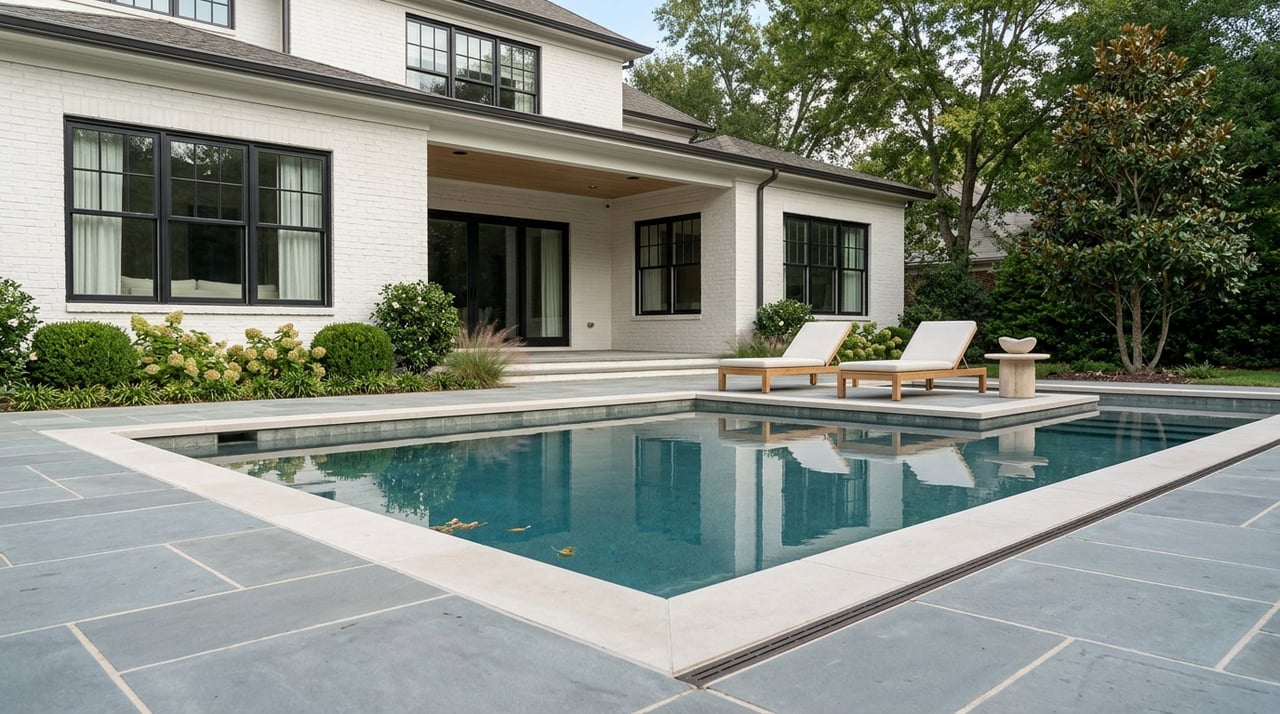
Waterfront single-family homes are often the most lifestyle-driven option. They can appeal to buyers who want a personal retreat with the possibility of guest use or vacation rental income.
These homes may offer strong appeal because shoreline access is one of the clearest value drivers in the area. At the same time, they usually come with more due diligence, more maintenance, and potentially higher insurance and carrying costs.
Off-water single-family homes
Off-water homes can offer a lower entry point into the Lake Norman of Catawba market. They may still benefit from the area’s overall draw while avoiding some of the added cost factors that can come with direct waterfront ownership.
For some buyers, this can be a more balanced way to invest. You may get steadier long-term demand and a property that still works well even if your rental strategy changes later.
Townhomes and condos
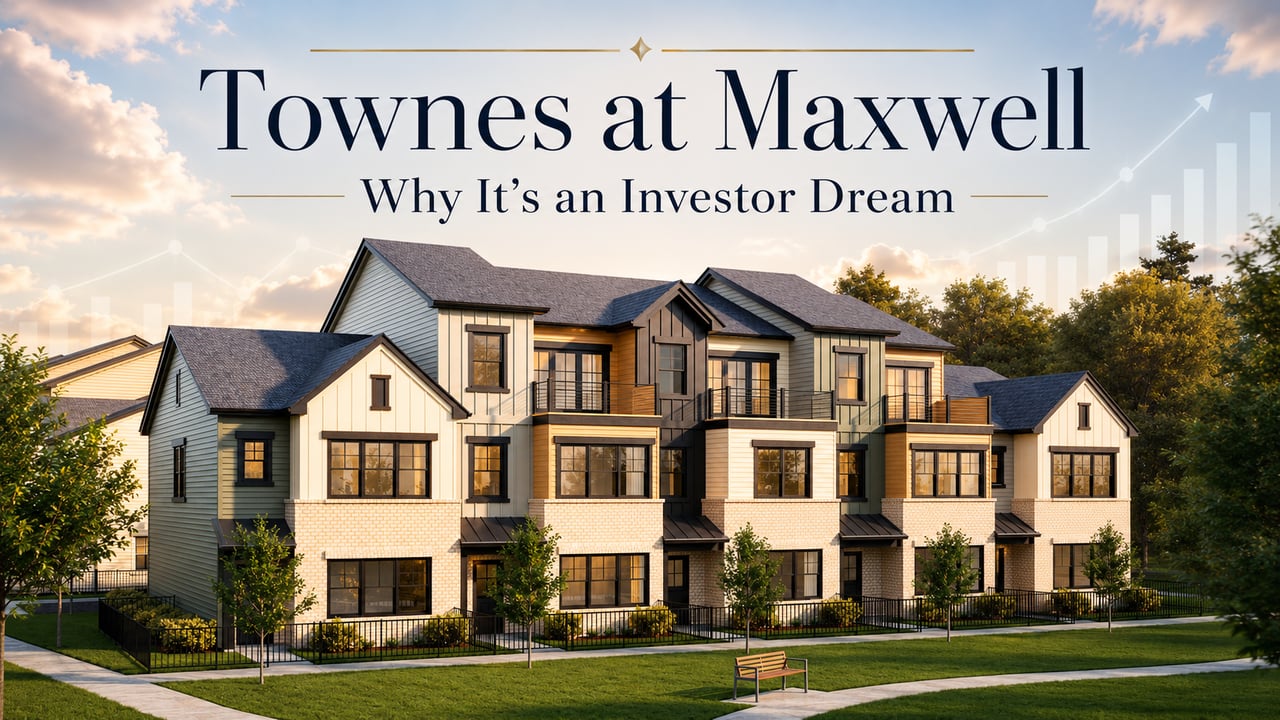
Townhomes and condos can make sense if you want a lower-maintenance option. They may also appeal to buyers who want simpler upkeep and a more manageable path to part-time use or rental operation.
If ease of ownership is high on your list, these property types deserve a close look. Just be sure to review any community rules that could affect leasing, occupancy, or property use.
Think about use before price
Before you focus on purchase price alone, start with the property’s job. The best investment home is not always the flashiest one. It is the one that fits your actual plan.
Ask yourself a few basic questions first:
- Will you use the home as a second residence, a full-time residence, or primarily as a rental?
- Are you planning short stays, seasonal use, or longer-term holds?
- Do you want a property that is easy to lock and leave?
- If rental rules or market conditions change, would the home still make sense for personal use or resale?
That last question is especially important. A flexible property can help reduce your risk if your original plan needs to shift.
Understand vacation rental rules in North Carolina
If you are considering short-term rental use, you need to know the state framework. In North Carolina, the Vacation Rental Act applies to residential property rented for vacation, leisure, or recreation purposes for fewer than 90 days. It requires a written vacation rental agreement.
Taxes also matter. The North Carolina Department of Revenue says gross receipts from accommodation rentals are subject to state and local sales tax, plus any local occupancy tax that applies. Catawba County is authorized for a 3% occupancy tax.
This does not mean every home is automatically a good short-term rental candidate. It means you should evaluate both the opportunity and the compliance side before you buy.
Check local and property-level restrictions
State law is only one layer. You should also confirm zoning, HOA rules, and any property-specific restrictions that could affect rental use.
A home may look like a perfect vacation rental on paper, but if community rules limit that use, your strategy could change quickly. That is why smart investors verify the property’s allowed uses early in the process.
Expect seasonal rental patterns
Lake Norman is promoted around boating, watersports, marinas, beaches, parks, and visitor experiences. Based on that recreation-focused profile, rental demand is likely to be strongest in warm-weather months, on weekends, and around holidays or event periods.
That does not give you a guaranteed occupancy number. It does give you a practical planning framework. If you are modeling income, it makes sense to be conservative and account for seasonality instead of assuming even demand all year.
Budget beyond the purchase price
A smart investment decision comes from understanding your full carrying cost, not just your mortgage payment. In Lake Norman of Catawba, several expense categories deserve close attention.
Property taxes
Catawba County’s adopted property tax rate for FY 2025/26 is 39.85 cents per $100 of valuation. The county also states that all property is subject to county tax plus either fire or municipal tax.
That means you should not estimate taxes using the county rate alone. To build a realistic budget, you need the full effective tax picture for the specific property.
Water, sewer, septic, and wells
Utilities can vary a lot from one parcel to another. Catawba County partners with municipal providers to extend water and sewer service into unincorporated areas, but some homes may rely on septic systems where sewer is not available.
The county’s Environmental Health program permits and supervises septic systems, and zoning approval is required before a septic application is processed. For you, that means utility setup is a major part of due diligence, especially if you are buying vacant land, older homes, or properties outside more developed areas.
If a home uses a private well, there is another layer to review. North Carolina requires newly constructed private wells to be tested before use, and private well owners are responsible for protecting water quality. A pre-closing well review and a post-closing testing plan can be practical steps.
Flood exposure and insurance
Flood risk is one of the most important items to check on lakefront property. Homeowners and renters policies generally do not cover flooding, so you should verify whether the parcel falls within a Special Flood Hazard Area and estimate flood insurance accordingly.
This step can affect both your monthly budget and your long-term comfort with the purchase. A home with great shoreline appeal may still need a closer insurance review before it makes financial sense.
Watercraft and related costs
If your purchase includes a boat, jet ski, or other watercraft, remember that these assets create their own budget and insurance questions. Catawba County lists watercraft among personal property items.
That means it is wise to think beyond the house itself. Storage, upkeep, insurance, and tax treatment of lake-related assets can all affect the real cost of ownership.
Four questions to guide your decision
If you want a simple way to evaluate an investment home in Lake Norman of Catawba, focus on four big questions.
1. Does the property fit your intended use?
A good investment should match the way you actually plan to use it. Waterfront living, weekend use, remote ownership, and rental turnover all create different needs.
2. Does it comply with rules?
Review zoning, HOA requirements, and vacation-rental rules carefully. A property only works as an investment if your intended use is actually allowed.
3. Can you carry the full cost?
Look at taxes, utilities, insurance, maintenance, and any added lake-related expenses. A property that stretches your budget too far can limit your flexibility later.
4. Does it still work if your strategy changes?
Markets shift, life changes, and rental plans do not always stay the same. A home with broad usability can give you more options if you decide to keep it for personal use, lease it differently, or sell in the future.
Why local guidance matters
In a market like Lake Norman of Catawba, the details matter. Shoreline access, utility type, flood exposure, and rental flexibility can all shape whether a property feels like a smart buy or an expensive surprise.
That is why many buyers benefit from working with someone who understands both the lifestyle side and the practical side of the Lake Norman market. If you are comparing lakefront, off-water, second-home, or short-term rental opportunities, clear local insight can help you move with more confidence.
If you are ready to explore investment opportunities around Lake Norman of Catawba, Austin Quick offers hands-on local guidance for buyers, investors, relocators, and second-home clients.
FAQs
What makes Lake Norman of Catawba appealing for home investment?
- Lake Norman offers shoreline recreation, regional access, and a broad mix of housing types, which can support interest from second-home buyers, full-time residents, and rental-minded investors.
What types of homes can you invest in near Lake Norman of Catawba?
- Buyers may find single-family homes, manufactured homes, condos, townhomes, patio homes, cluster housing, and other residential formats in the broader Catawba County lake submarket.
What should you check before buying a lakefront home in Catawba County?
- You should review shoreline access, flood exposure, insurance needs, utility type, zoning, and whether the home still works for you if your rental plan changes.
What are the short-term rental rules for homes in North Carolina?
- For rentals under 90 days used for vacation, leisure, or recreation, North Carolina’s Vacation Rental Act applies and requires a written vacation rental agreement.
What taxes may apply to a vacation rental in Catawba County?
- Gross receipts from accommodation rentals are subject to state and local sales tax, and Catawba County is authorized for a 3% occupancy tax.
Why do utilities matter when investing in Lake Norman of Catawba homes?
- Water and sewer availability can vary by parcel, and some properties may rely on septic systems or private wells, which can affect cost, maintenance, and due diligence.