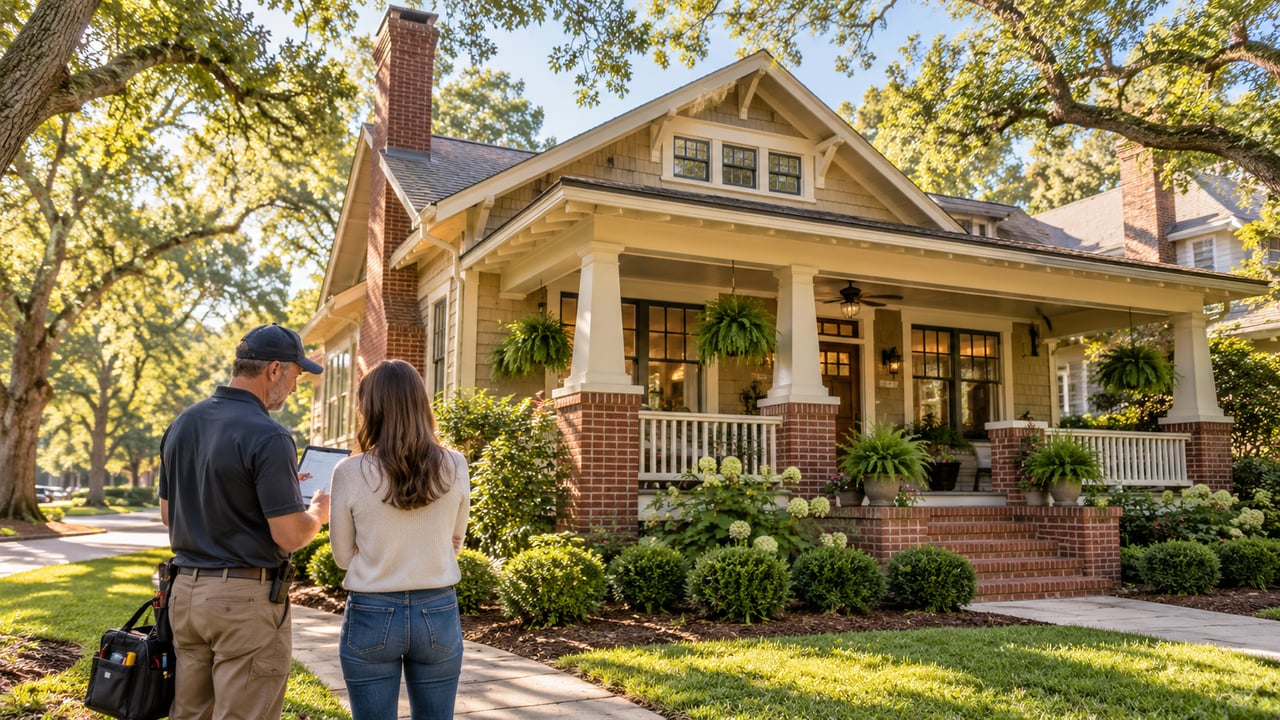
A brand-new home can look flawless at the final walkthrough. Fresh paint, untouched floors, and a clean punch list are reassuring—but much of the home’s most important work is already hidden behind drywall by then.
That is why buyers building in Huntersville, Cornelius, Davidson, and the greater Lake Norman area benefit from treating inspection as a timeline, not a single appointment. North Carolina’s home-inspection rules now make that approach even more relevant: effective June 1, 2026, the state added a specific Standard of Practice for licensed home inspectors performing pre-drywall inspections.
Here is a practical framework for staying organized from contract to closing.
1. Start with the contract, plans, and specifications
Before construction begins, know exactly what the builder has promised. Review the contract, architectural plans, selections, allowances, change-order process, estimated completion language, inspection access, and warranty documents. Builder contracts are not all alike, and the deadlines and remedies may differ from those in a standard resale contract.
Keep a single digital file containing signed plans, finish schedules, appliance specifications, upgrade receipts, change orders, and builder communications. If a verbal conversation changes the home, ask for written confirmation. This record gives your buyer’s agent, inspector, and attorney a reliable baseline if questions arise later.
It is also wise to confirm the builder’s license status. The North Carolina Licensing Board for General Contractors states that a general contractor must be licensed when the contract is valued at $40,000 or more, and its website provides a license-search tool.
2. Ask early about inspection access
Do not wait until the framing is complete to ask whether an independent inspector can enter the site. Construction sites have safety rules, and builders may require appointments, proof of insurance, or specific scheduling windows.
Coordinate access through the builder and your buyer’s agent. Never enter an active jobsite without permission. The goal is not to interrupt the construction team; it is to arrange documented review points while important components are still visible.
3. Schedule the pre-drywall inspection at the right moment
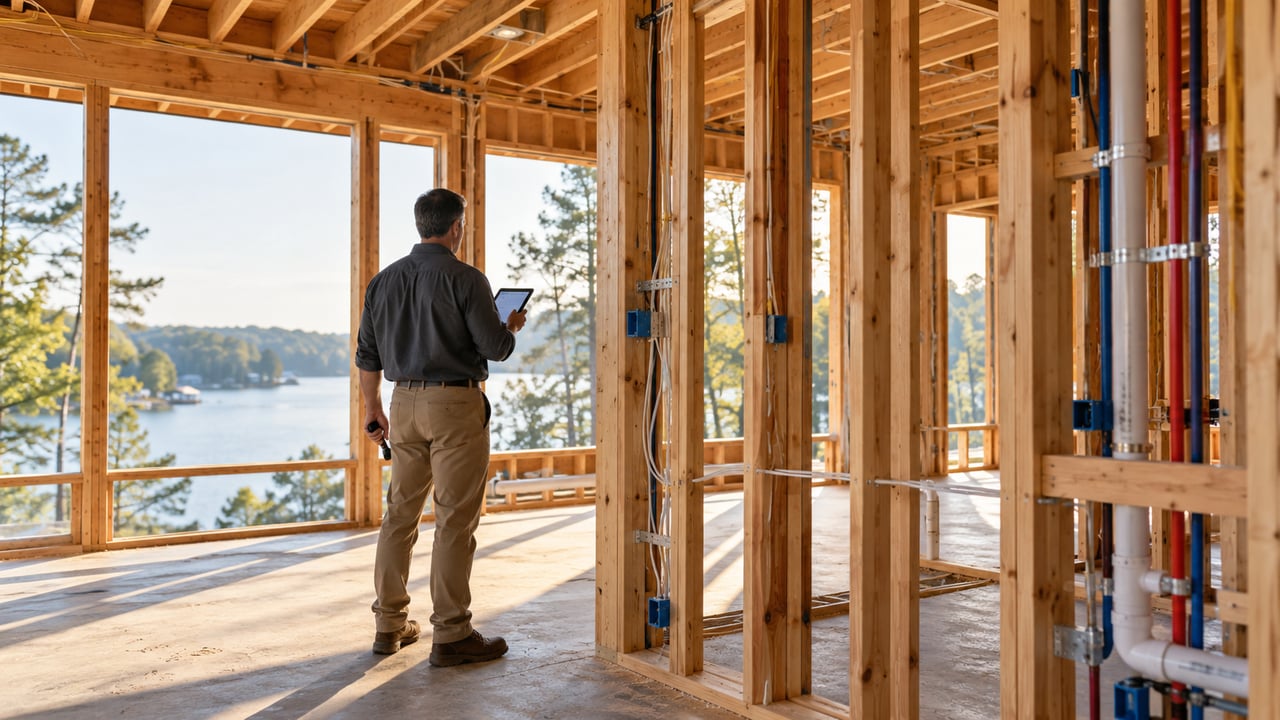
The ideal pre-drywall window is generally after framing and the plumbing, electrical, and mechanical rough-ins are substantially installed—but before insulation and wall coverings conceal them. Timing matters: too early, and key work may be incomplete; too late, and the inspector may lose access to the very systems you want reviewed.
North Carolina’s Office of State Fire Marshal reports that the current Home Inspector Licensure Board rules, effective June 1, 2026, include a dedicated Standard of Practice for pre-drywall inspections. That makes it especially important to hire a North Carolina-licensed home inspector who understands both the stage of construction and the state’s reporting requirements.
A pre-drywall inspection may evaluate visible framing, structural components, rough plumbing, electrical routing, ductwork, penetrations, flashing, and other accessible work within the inspector’s scope. It is not destructive testing, engineering, or a substitute for specialized evaluation when one is recommended.
4. Understand the difference between code and buyer inspections
Municipal or county code inspections and an independent home inspection serve different purposes. Mecklenburg County explains that its code officials inspect field work for compliance with approved plans and the North Carolina Building Code; inspection results and notes are recorded electronically. The county also publishes the general order of required residential inspections.
Your independent inspector works for you under a separate agreement and produces a written report within the inspector’s licensed scope. One review does not make the other unnecessary. Think of code inspection as part of the public permitting process and your private inspection as buyer-focused due diligence.
After receiving the report, read the entire document—not only the summary. North Carolina law requires licensed inspectors to provide a written report, and state rules specify what belongs on the summary page. Discuss repair requests and contractual options promptly with your agent and, when appropriate, your attorney.
5. Document corrections before they disappear
Send concerns through the process required by the contract or builder. Use clear descriptions, photos, room locations, and report references. Avoid directing subcontractors yourself; the builder controls the worksite and the trade relationships.
Ask which items will be corrected, who will verify them, and whether a follow-up inspection is permitted before insulation or drywall. Save the written response. A tidy documentation trail helps separate completed corrections from items that still need attention.
6. Inspect again near completion
A pre-drywall inspection cannot evaluate systems that are unfinished or not operating. A second independent inspection near completion can review the home in a more functional state, including accessible roofing, exterior details, doors and windows, plumbing fixtures, electrical components, heating and cooling, appliances, drainage observations, and interior finishes within the inspector’s scope.
Coordinate this inspection early enough to leave time for review and correction before closing. Then use the builder walkthrough for cosmetic and completion items: damaged finishes, incomplete selections, cabinet alignment, paint touchups, hardware, flooring, and other punch-list details.
Before closing, confirm that required permits and approvals have reached the appropriate status. Mecklenburg County’s online permit and inspection tools allow users to check available permit, plan-review, and inspection information. Your closing team can advise which documents and approvals are required for your transaction.
7. Preserve the warranty calendar
At handoff, collect warranties, manuals, paint information, model and serial numbers, inspection reports, repair confirmations, surveys, and final plans. Note every builder warranty deadline immediately; coverage and procedures vary, so rely on the actual written warranty rather than assumptions.
If the warranty allows time to report workmanship concerns after occupancy, consider a follow-up inspection far enough before the deadline to submit written notice properly. Seasonal operation, drainage patterns, settling, and everyday use may reveal issues that were not observable before closing.
A better process for a complex purchase
New construction offers exciting choices, but those choices create more documents, deadlines, and decision points than many buyers expect. The most effective inspection strategy is planned before the jobsite reaches the stage you want to review.
If you are considering new construction in Huntersville, Cornelius, Davidson, or elsewhere around Lake Norman and Charlotte, contact Austin Quick to build a purchase strategy around the builder, contract, inspection milestones, and the way you want to live.